How does a kamikaze drone work?
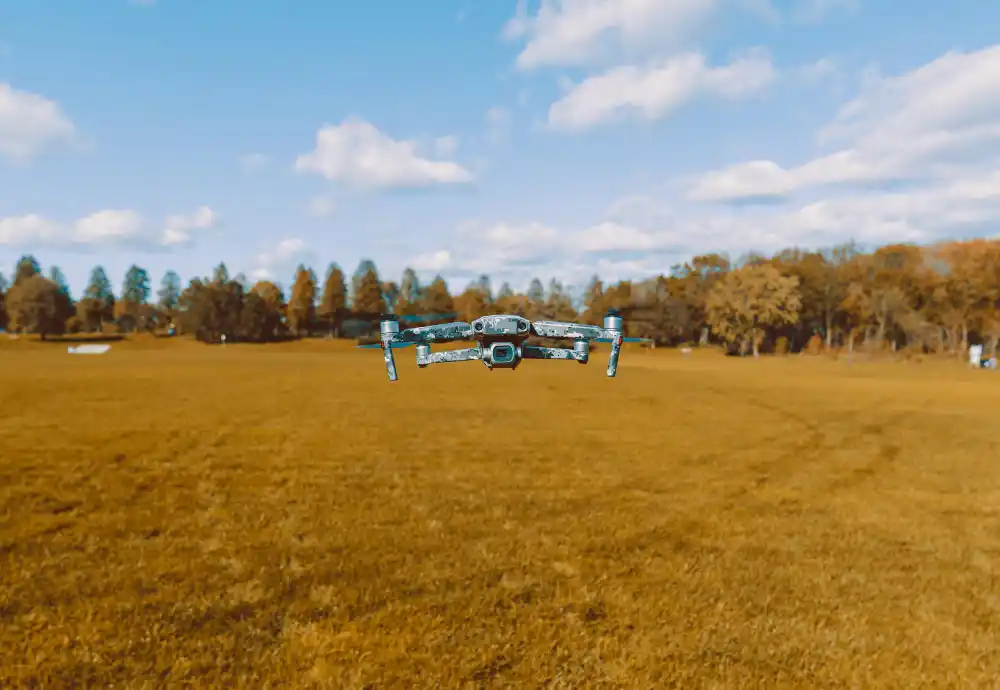
A kamikaze drone, or loitering munition, is a disposable unmanned aerial vehicle designed to search for and destroy a target by self-destruction. It combines the functions of a reconnaissance, guidance, and strike platform, making it a unique class of weapon between classic drones and guided missiles.
Unlike missiles, which fly in a straight line to a predetermined point, a kamikaze drone can remain in the air for a long time, waiting for the optimal moment to attack. This turns it into a “hunter” that patrols the combat area and attacks when the chance of hitting the target is highest.
How a kamikaze drone works
The basic idea behind such a drone consists of three key stages: launch, loitering, and strike. After launch, the drone enters patrol mode or flies along a predetermined route. It can move autonomously using GPS coordinates or be controlled by an operator in real time.
In the search area, the drone scans the terrain using a camera, thermal imager, or other sensors. If a target is detected, the operator or guidance algorithm decides to attack. After that, the drone descends sharply and crashes into the target, detonating its warhead.
In fact, it is a “thinking bomb” because it is capable of waiting, maneuvering, and changing decisions during flight.
Kamikaze drone design: what it consists of
A typical kamikaze drone has a modular design that includes a frame, engines, power system, control electronics, and warhead. The frame can be made of carbon, aluminum, plastic, or composite materials, ensuring minimum weight and strength.
The engines can be electric or gasoline-powered. Electric engines provide quiet flight and are difficult to detect, while gasoline engines offer long range and endurance. Propellers or wings determine the aerodynamics and speed of the aircraft.
A key element is the flight control board, which stabilizes the drone, receives signals from the remote control or navigation system, and controls the motors. The camera transmits video in real time, allowing the operator to see the picture from the “eyes of the drone.”
The warhead can be fragmentation, cumulative, or thermobaric, depending on the type of target. A contact or remote detonator is used for detonation.
FPV kamikaze drones: first-person control
An FPV kamikaze drone is a device that is controlled manually via video transmission in goggles or on a remote control screen. The operator actually “sits” in the drone, sees the flight path, and can perform complex maneuvers, including passing through windows, equipment hatches, or narrow passages.
Such drones are usually cheap, light, and fast, but require a highly skilled pilot. Operator training includes theoretical preparation, simulator training, and practical flights before moving on to combat missions.
Shahed-type autonomous drones: how “blind” weapons work
Shahed-type drones differ from FPV and tactical systems in that they are not controlled by an operator during flight. They fly along a predetermined route using a navigation system and attack the target coordinates.
These aircraft are equipped with gasoline engines, which provide a long range but create a characteristic noise similar to a moped or lawn mower. Due to their low flight altitude, they are difficult for air defense systems to detect, making them dangerous for rear facilities.
Tactics for using kamikaze drones on the battlefield
Kamikaze drones are used to attack infantry, armored vehicles, artillery positions, ammunition depots, and command posts. They are particularly effective against stationary or slow-moving targets, as well as in urban areas.
Their advantage is their low cost compared to missiles and high-precision ammunition, which allows for mass deployment. In addition, drones are difficult to intercept, and their small size makes them difficult to detect by radar.
Kamikaze drones have changed the concept of warfare, making high-precision strikes available even to small units. They allow targets to be destroyed without direct contact with the enemy, reducing the risk to personnel.
The combination of autonomy, low cost, high accuracy, and psychological effect makes these systems one of the most important tools of modern combat. That is why the development of kamikaze drones is considered one of the key areas of military technology in the world.